| [00:18.463] |
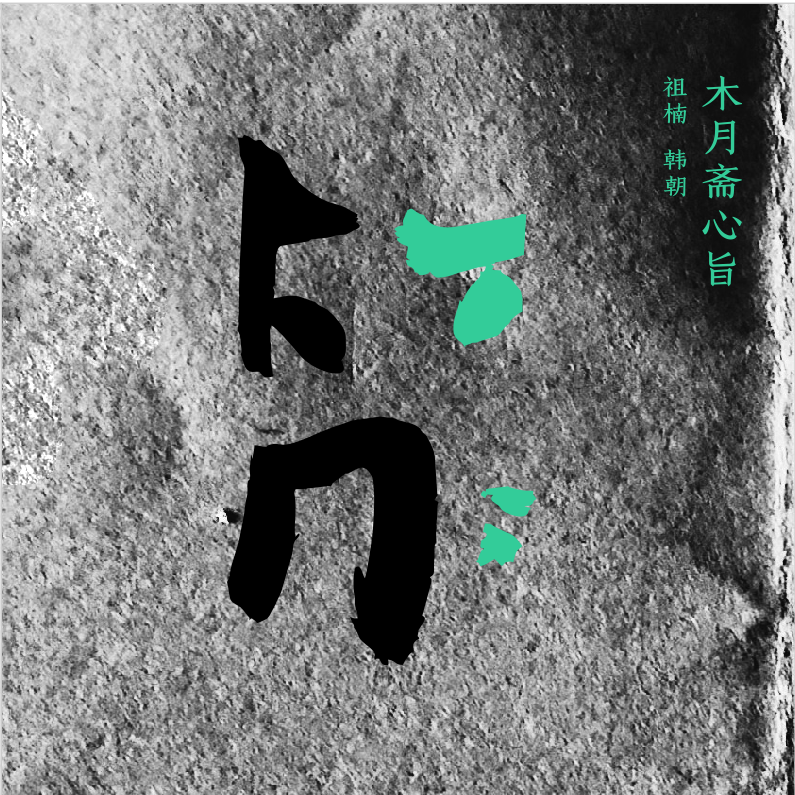
"ai nai" is a famous Chinese zither. |
| [00:40.708] |
Zengpu first appeared in wang zhi ji in Ming dynasty |
| [00:57.464] |
Xilutang qin tong (1549), |
| [01:25.206] |
Also known as "song of the fishing" or "song of the northern fishing" |
| [02:27.958] |
Its musical meaning has always been based on tang dynasty poets |
| [02:47.712] |
Liu zongyuan's seven-word ancient poem "fisherman" to explain |
| [03:14.459] |
Therefore, some people think that this song is handed down by liu zongyuan. |
| [04:07.705] |
Now, "hi," means the sound of OARS or the sound of a fisherman's trumpet |
| [04:35.707] |
The music is melodious, fresh and meaningful |
| [05:06.958] |
Express feelings with landscape as image, |
| [05:25.955] |
Is a trace of fishing firewood, send feelings landscape haze |
| [05:46.457] |
Rest to quiet a famous song |
| [06:15.206] |
Giving off the traditional Chinese culture |
| [06:19.212] |
Spirit, temperament, verve |
| [06:20.456] |
|
| [06:20.955] |
|
| [06:21.713] |
|
| [06:22.459] |
Guqin: Zu nan |
| [06:23.205] |
Synthesizer: Han chao |
| [06:23.963] |
Cover: Yun sheng |
| [06:24.711] |
Recording: Han chao |
| [06:25.458] |
Mix: Han chao |
| [06:26.962] |
Mother: Leon Lin |